
IV Cannula: Uses, Types, Benefits & Safety Standards in Modern Healthcare
Intravenous (IV) therapy is one of the most widely used clinical procedures for fluid administration, medication delivery, and blood transfusion. At the core of this therapy lies the IV Cannula—a critical single-use medical device ensuring safe vascular access.
What is an IV Cannula?
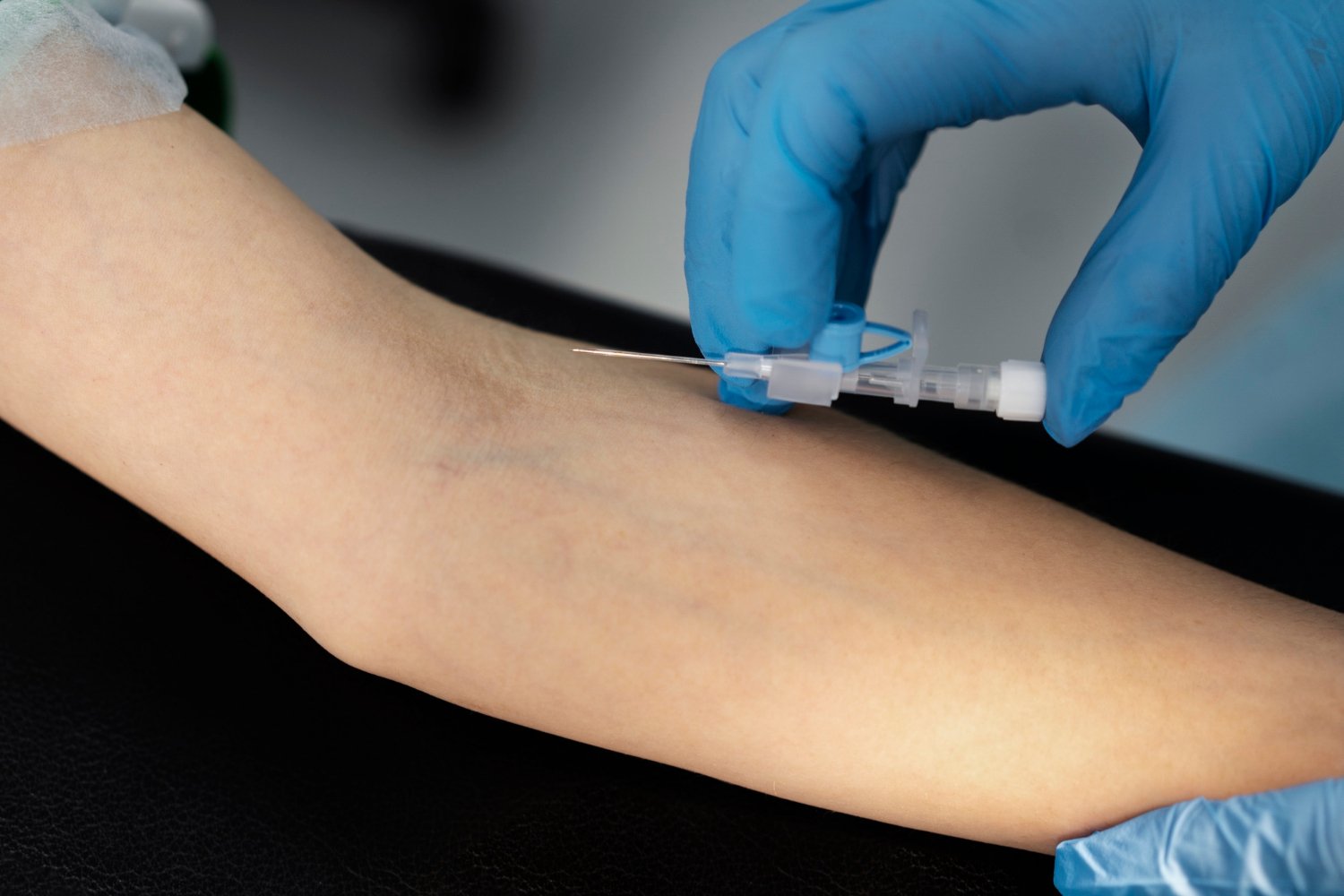
An IV Cannula is a sterile, disposable tube inserted into a vein using a needle trocar. Once placed, the needle is withdrawn, leaving the flexible catheter for infusion.
Common Uses
-
Fluid and electrolyte administration
-
Drug delivery (antibiotics, anesthesia)
-
Blood transfusion
-
Emergency resuscitation
Types of IV Cannula
-
Peripheral IV Cannula
-
Winged IV Cannula
-
Ported IV Cannula
-
Safety IV Cannula
Each type is color-coded to indicate gauge size for different clinical needs.
Key Features & Benefits
-
Medical-grade biocompatible material
-
Kink-resistant catheter
-
Smooth penetration for patient comfort
-
Sterile, single-use design to prevent infections
Quality & Manufacturing Standards
Manufacturers like Zavimedicare (Jabalpur, Madhya Pradesh) follow stringent quality protocols such as:
-
ISO-certified production
-
EO sterilization
-
Leak-proof hub design
-
Pyrogen-free materials
Conclusion
High-quality IV Cannulas are indispensable for safe infusion therapy. Choosing a reliable Indian manufacturer ensures cost-effective yet globally compliant products.